
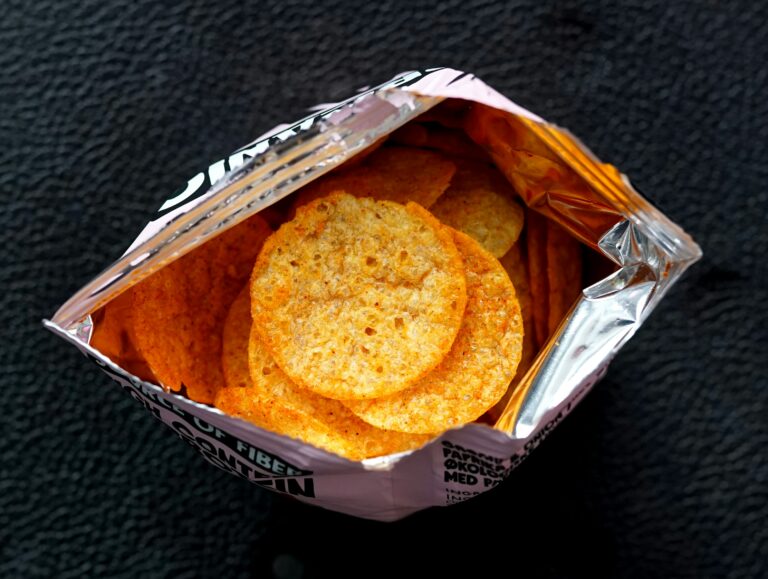
Have you ever opened a bag of chips and thought, Wait… didn’t there used to be more in here? You’re not imagining things. Many snacks really have gotten smaller—even though the price stayed the same.
This has a name: shrinkflation.
Shrinkflation happens when companies reduce the size of a product instead of raising the price. So instead of charging more money, they quietly give you a little less. A bag of chips might have fewer chips. A cereal box might hold fewer ounces. A bottle of juice might look the same, but contain less inside.
You may have heard people talking about this online. Some shoppers noticed that certain Doritos and other chip bags weighed less than they used to, even though the price didn’t change. Others pointed out smaller candy bars and thinner chocolate at checkout. Even drinks have been affected—some bottles now hold a little less than before, but still cost the same.
Restaurants have been part of the conversation too. Recently, Chipotle made headlines when customers on social media claimed their bowls looked smaller than they remembered. Chipotle said they didn’t change portion sizes, but the moment shows how alert people have become to getting less for their money.
Why does shrinkflation happen? Because it costs more to make and move food than it used to. Ingredients, packaging, and transportation all add up. Shrinking the product is one way companies try to manage those costs without changing the price tag.
The tricky part is that shrinkflation makes it harder to tell what you’re really paying for. Two snacks might cost the same, but one gives you more food. That’s why smart shoppers look at size and price together, not just the number on the shelf.
Shrinkflation may be sneaky—but once you know what to look for, you can spot it. And that makes you a smarter money decision-maker every time you shop.
