

Holiday shopping season is here. So are the scammers.
Visa just found that 39% of Gen Z shoppers got hit by fraud attempts during last year’s holiday season, a bigger share than any other age group. Translation: if you’re a teenager scrolling Instagram, TikTok, or Snap this December, someone is probably trying to scam you right now.
And they’re good at it.
Why Scammers Target Teens
For a long time, scammers mostly chased older people. That’s shifting. Teens shop online, have debit cards or Apple Pay or Cash App, and move fast. You see an ad, you tap, you check out, sometimes in under a minute. Scammers love that speed. It gives you less time to think.
They also know where you spend your time. The fake “deals” aren’t in your inbox anymore. They’re on your For You page.
The Three Scams Blowing Up Right Now
1. The “Too Good to Be True” Ad.
A hoodie that normally costs $80 is suddenly $12 on a site you’ve never heard of. The site looks almost right. Same fonts, similar name, maybe one letter off. You pay. Nothing ships. Or something ships, and it’s garbage. Or worse, your card info is now being sold.
2. The Influencer Impersonator.
A creator you follow is “giving away” iPhones, gift cards, or concert tickets. All you have to do is click a link, enter your info, and maybe pay a small “shipping fee.” It’s not the real creator. It’s an account that stole their profile picture and name.
3. The Fake Delivery Text.
“Your package couldn’t be delivered. Click here to reschedule.” You weren’t expecting a package, but in December, who isn’t? You tap the link, land on a page that looks like FedEx or USPS, and enter your address and card to “pay the redelivery fee.” Now the scammer has your card.
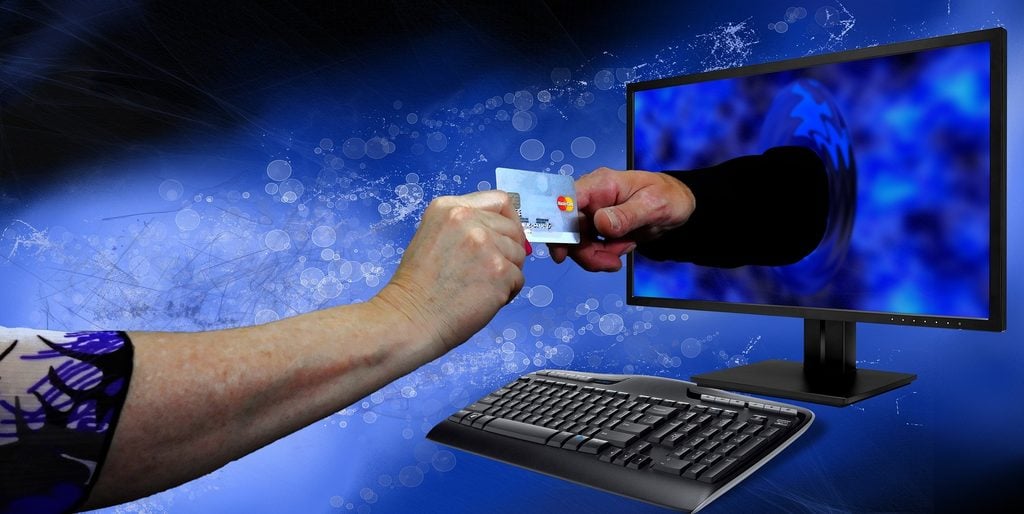
How to Spot a Scam in Five Seconds
Before you tap buy, run through this:
- Does the price make sense? If a $200 item is $20, something is wrong. Real companies don’t throw away 90% margins.
- Is the URL legit? Look at the web address. Is it nike.com or nike-store-usa-deals.shop? Real brands use short, clean domains.
- Have you heard of this site before this ad? If the answer is no, Google the company name plus the word “scam” before you buy anything.
- Does it feel urgent? “Only 2 left!” “Deal ends in 10 minutes!” Scammers use urgency because urgency shuts down your thinking. Real deals don’t disappear in 10 minutes.
- What’s the payment method? If a site only accepts Zelle, Venmo, Cash App, crypto, or gift cards, walk away. Those payments can’t be reversed. A credit card can.
If You Think You Got Scammed
Tell an adult the same day. The faster you move, the better the chance of getting your money back. Call the bank or card company and report the charge as fraud. If it was a gift card, report it to the company that issued the card. And report the scam to the FTC at reportfraud.ftc.gov. It’s free, it takes five minutes, and it helps catch the people doing this.
Activity: Think-Pair-Share
Question: You see a $15 hoodie on Instagram that normally sells for $80. The ad links to a site you’ve never heard of before, and the checkout page only accepts Venmo or Cash App.
- Think: On your own, list the warning signs in this scenario. Would you buy the hoodie? Why or why not?
- Pair: With a partner, compare your lists. Did your partner spot a red flag you missed? What would you check before clicking buy?
- Share: As a class, what is the single biggest warning sign everyone agreed on? What is one rule you would give a friend about shopping on social media this holiday season?
Sources:
